All written and visual material on this page and in the accompanying PowerPoint program is intended for limited educational use only and not for broad distribution or copying. This page and program follow the Fair Use rules as outlined by the American Library Association.
.jpg "image title")
The Holiday Trifecta
.jpg "image title")
Suggested Media
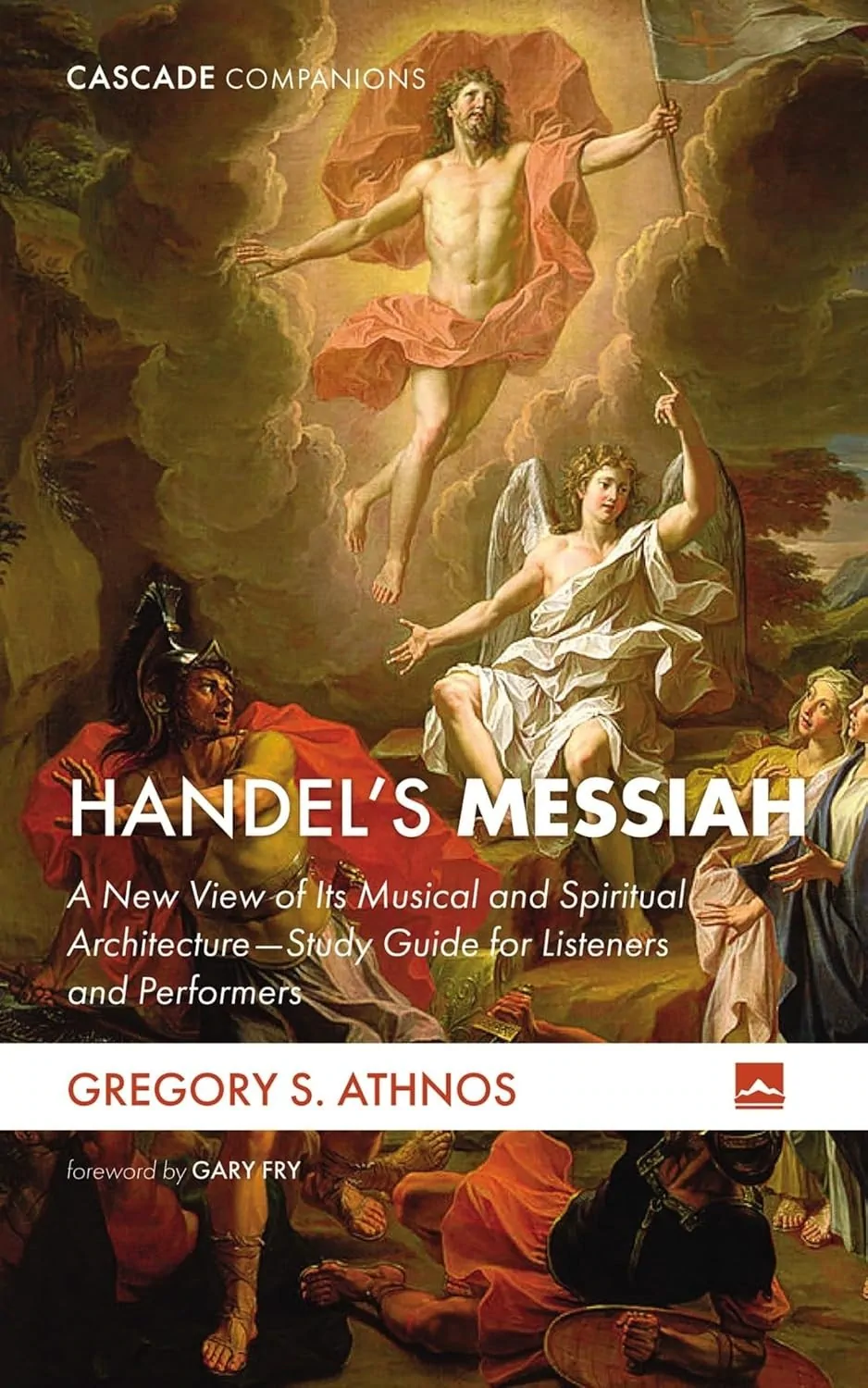
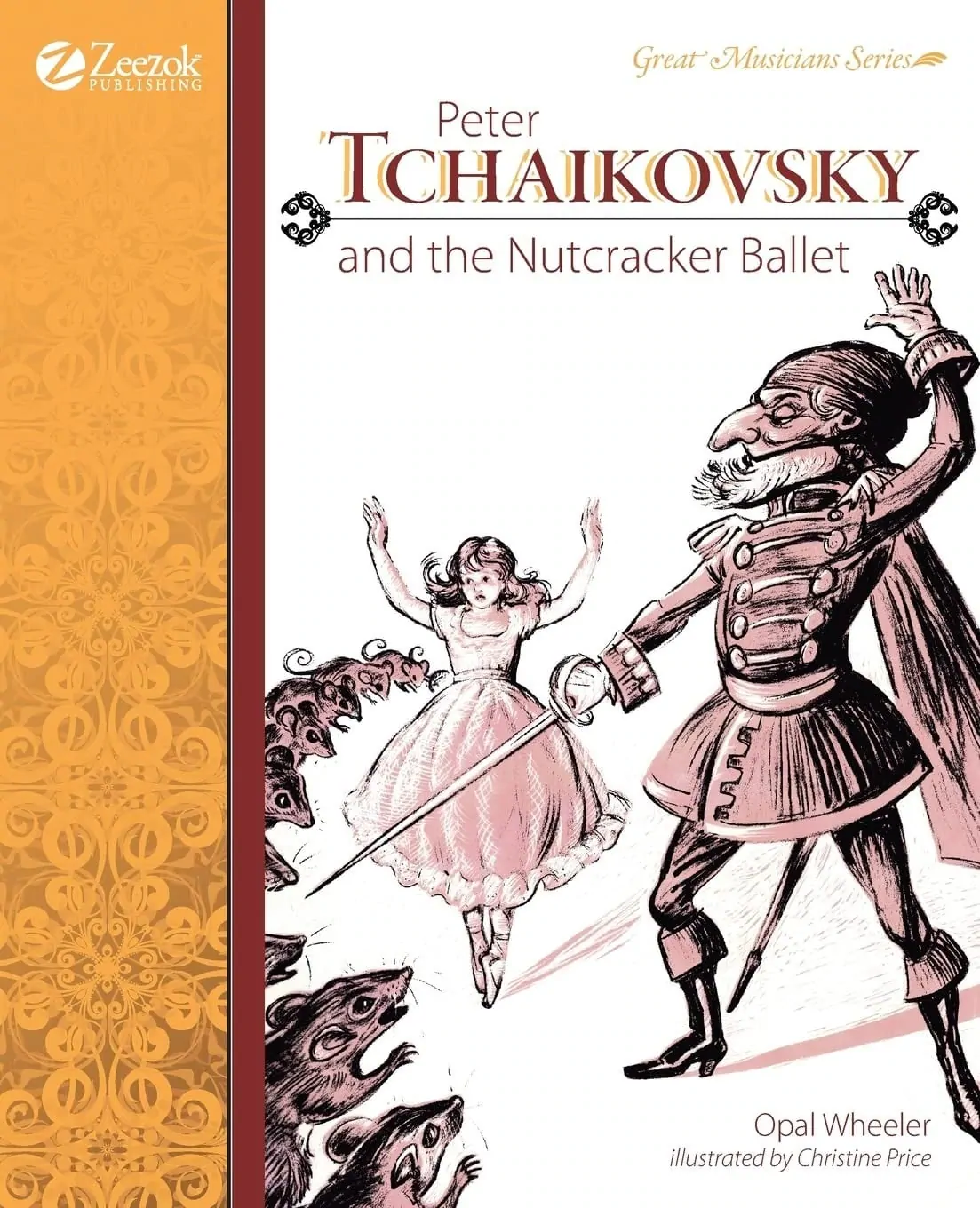
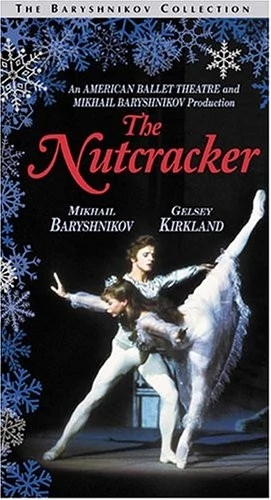
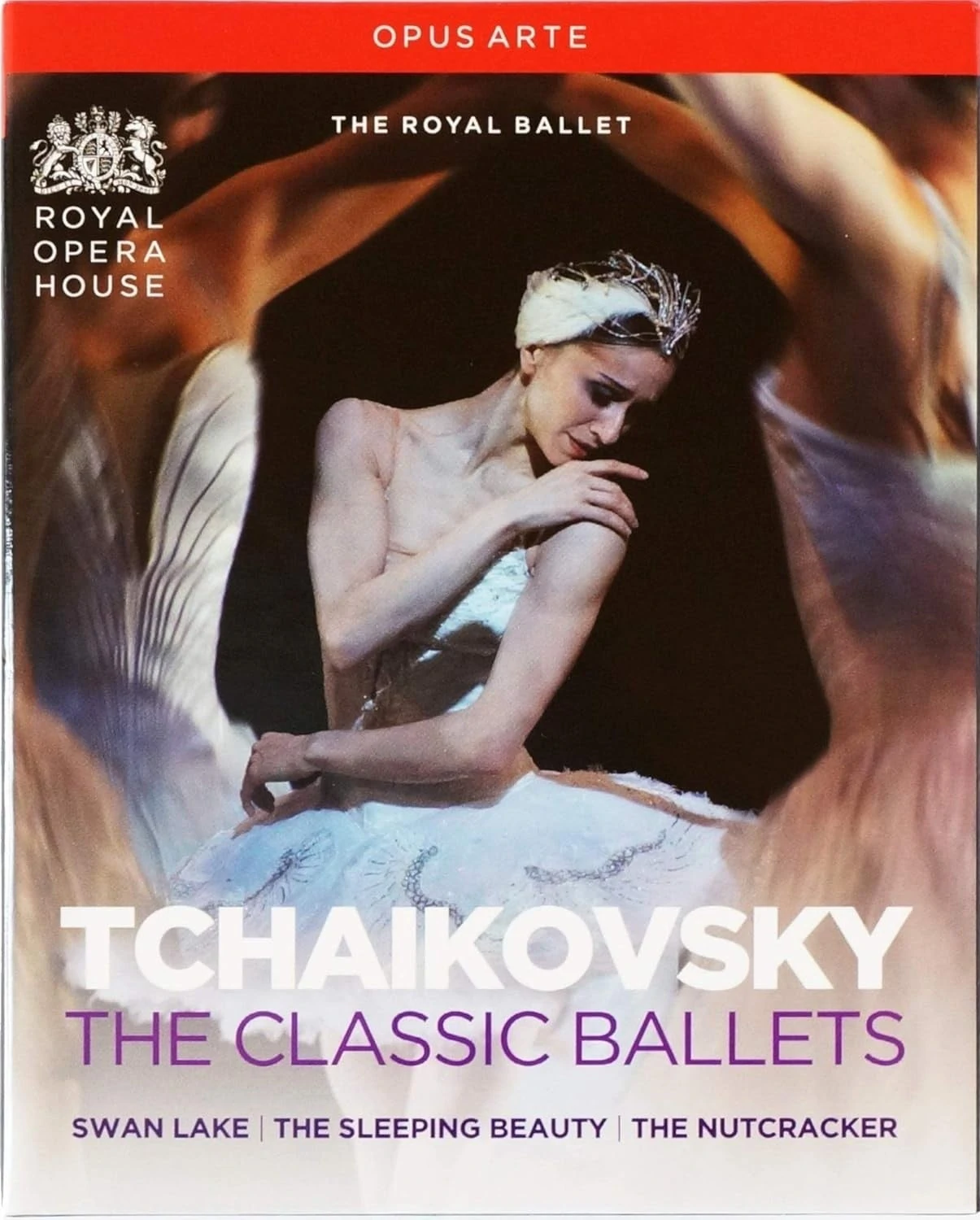
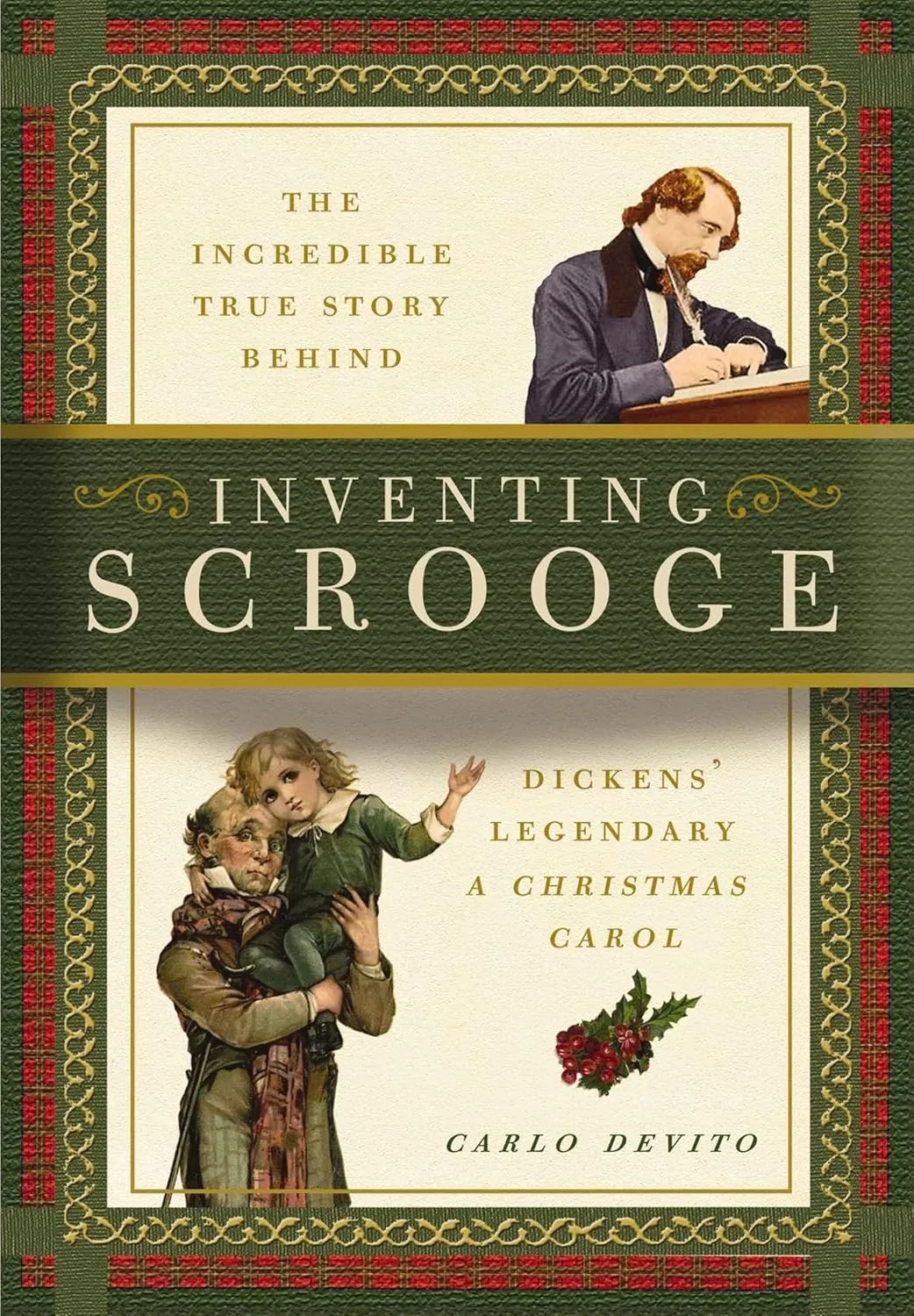
Messiah
Messiah (HWV 56) is an English-language oratorio composed in 1741 by George Frideric Handel. Charles Jennens compiled the text from the King James Bible and the Coverdale Psalter. It was first performed in Dublin on 13 April 1742 and received its London premiere a year later. After an initially modest public reception, the oratorio gained in popularity, eventually becoming one of the best-known and most frequently performed choral works in Western music. Handel's reputation in England, where he had lived since 1712, had been established through his compositions of Italian opera. He turned to English oratorio in the 1730s in response to changes in public taste; Messiah was his sixth work in this genre. Although its structure resembles that of opera, it is not in dramatic form; there are no impersonations of characters and no direct speech. Instead, Jennens's text is an extended reflection on Jesus as the Messiah called Christ. The text begins in Part I with prophecies by Isaiah and others and moves to the annunciation to the shepherds, the only "scene" taken from the Gospels. In Part II, Handel concentrates on the Passion of Jesus and ends with the Hallelujah chorus. In Part III, he covers Paul's teachings on the resurrection of the dead and Christ's glorification in heaven. Handel wrote Messiah for modest vocal and instrumental forces, with optional alternate settings for many of the individual numbers. In the years after his death, the work was adapted for performance on a much larger scale, with giant orchestras and choirs. In other efforts to update it, its orchestration was revised and amplified, such as Mozart's Der Messias. In the late 20th and early 21st centuries, the trend has been towards reproducing a greater fidelity to Handel's original intentions, although "big Messiah" productions continue to be mounted. A near-complete version was issued on 78 rpm discs in 1928; since then, the work has been recorded many times. The autograph manuscript of the oratorio is preserved in the British Library.
The Nutcracker
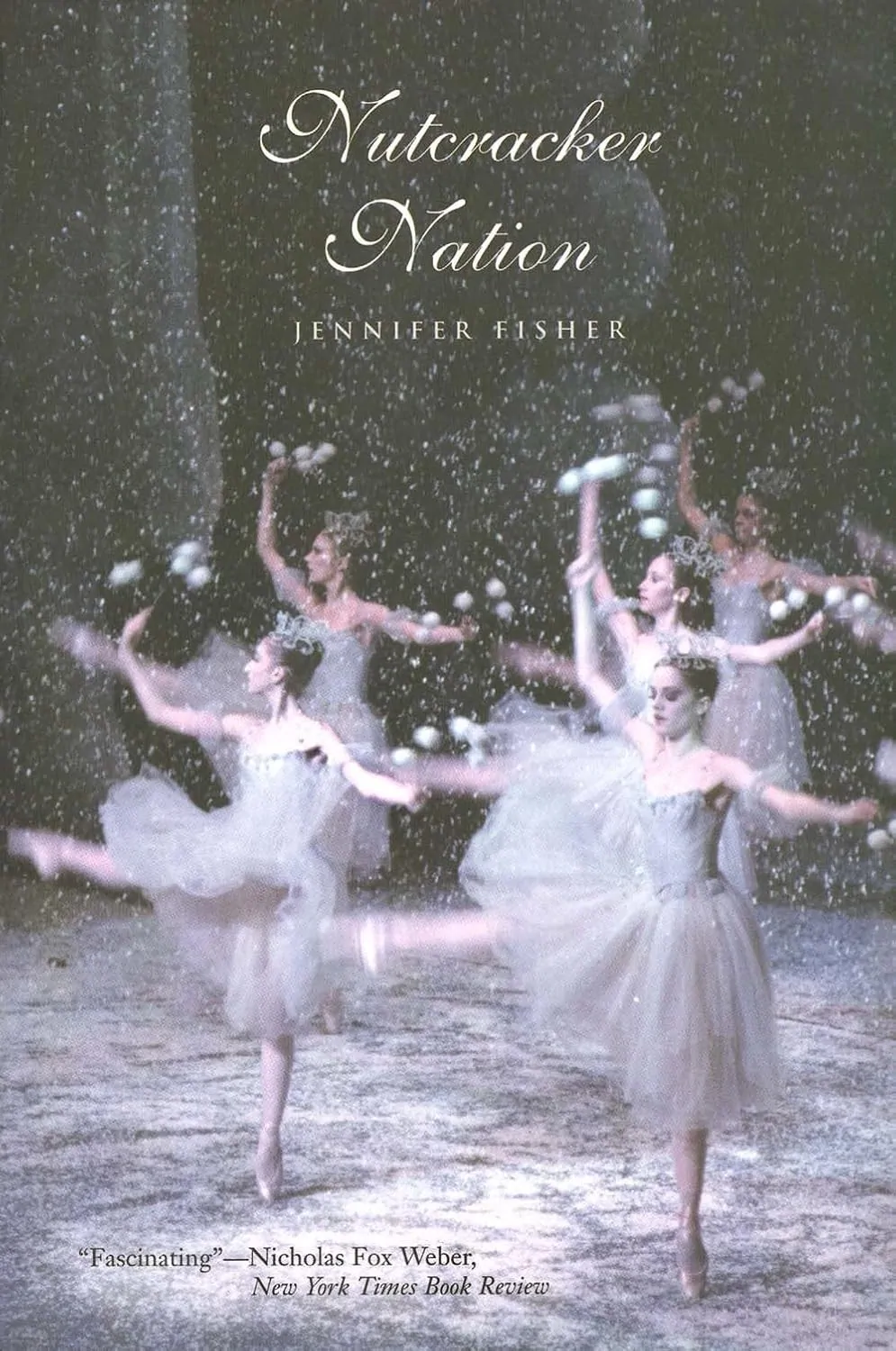
The Nutcracker is a ballet by Pyotr Tchaikovsky. It is last of his three ballets and was first performed in December 1892. The story of The Nutcracker is loosely based on the E.T.A. Hoffmann fantasy story The Nutcracker and the Mouse King, about a girl who befriends a nutcracker that comes to life on Christmas Eve and wages a battle against the evil Mouse King. Hoffmann’s story is darker and more troubling than the version that reached the stage; the Imperial Russian Ballet choreographer Marius Petipa followed a light adaptation of the story written by Alexandre Dumas père. Tchaikovsky began work in February 1891, continuing his efforts while on an American tour later that year for the opening of Carnegie Hall. His homeward journey took him through Paris, where he discovered a new instrument: the celesta, whose clear, bell-like tone was perfectly fitted to The Nutcracker’s fairy-tale ambience. In the celesta’s ethereal notes, Tchaikovsky recognized the “voice” of his Sugar Plum Fairy, and he immediately wrote to his publisher, asking that the instrument be acquired for the performance. Selections from The Nutcracker were first performed as an orchestral suite in March 1892. The ballet proper debuted in December of that year. It was presented at St. Petersburg’s Mariinsky Theatre on a double bill with Tchaikovsky’s one-act opera, Iolanta. In a letter to a friend, Tchaikovsky himself remarked, “Apparently the opera gave pleasure, but the ballet not really; and, as a matter of fact, in spite of all the sumptuousness, it did turn out to be rather boring.” He thought little of it, describing it as “infinitely worse than Sleeping Beauty.” The reference was to the second of his three ballets; the first had been Swan Lake. Yet responsibility for the failure was not, apparently, wholly the composer’s. Petipa had fallen ill, and the choreography was instead devised by his less-inspired assistant. Additionally, the scenery and costumes were panned as tasteless, and the performance of the ballerina who danced the role of the Sugar Plum Fairy was widely criticized. The newspapers reviled Tchaikovsky, and he did not live to see the piece succeed. Despite the failure of its initial performance, The Nutcracker has become the most frequently performed of all ballets and has served as an introduction to classical music for many young people. Because the first act is set at a Christmas party, the ballet is often presented at Christmastime.
A Christmas Carol
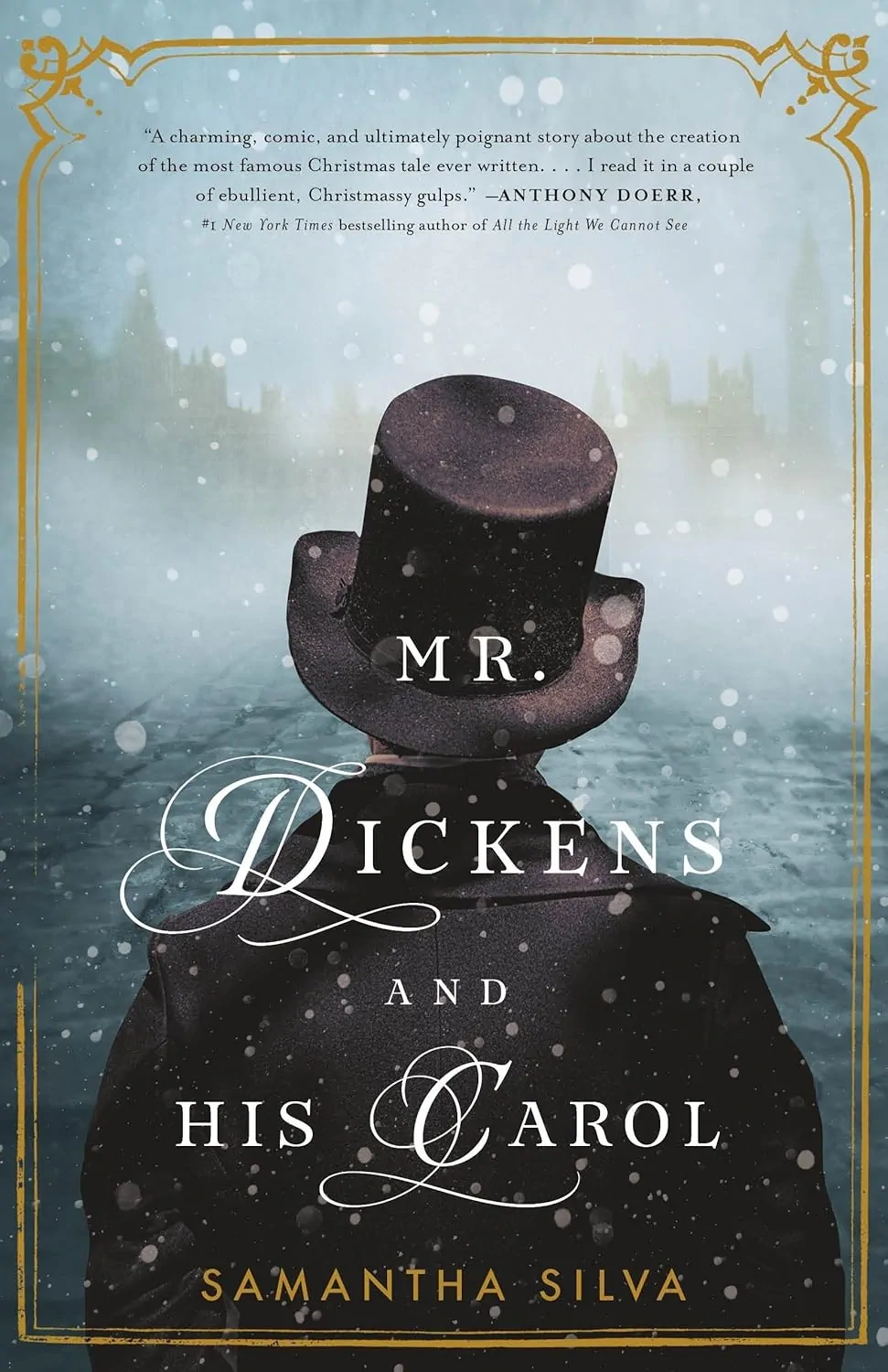
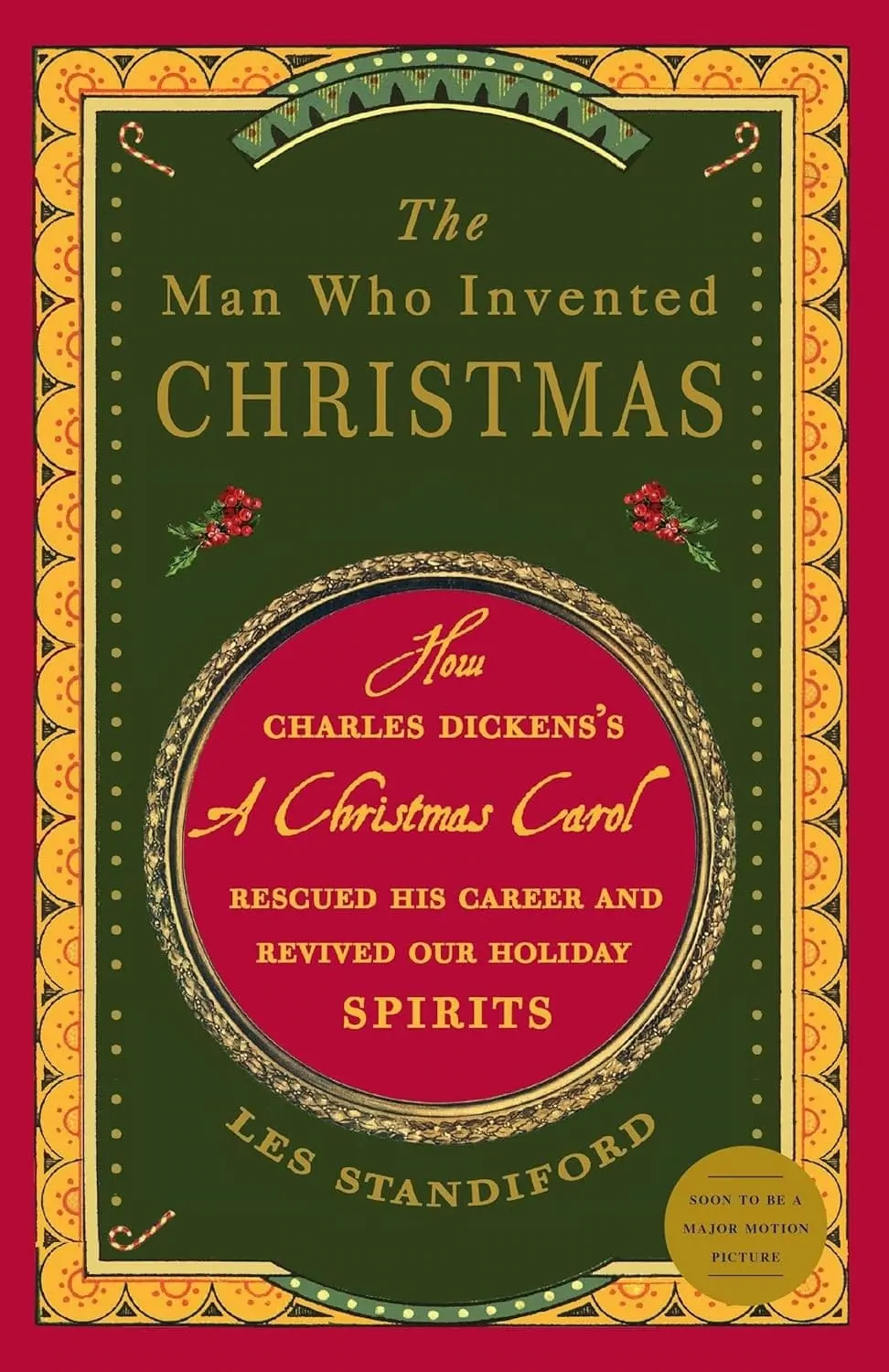
A Christmas Carol is a novella by Charles Dickens, first published in London by Chapman & Hall in 1843 and illustrated by John Leech. It recounts the story of Ebenezer Scrooge, an elderly miser who is visited by the ghost of his former business partner Jacob Marley and the spirits of Christmas Past, Present and Yet to Come. In the process, Scrooge is transformed into a kinder, gentler man. Dickens wrote A Christmas Carol during a period when the British were exploring and re-evaluating past Christmas traditions, including carols, and newer customs such as cards and Christmas trees. He was influenced by the experiences of his own youth and by the Christmas stories of other authors, including Washington Irving and Douglas Jerrold. Dickens had written three Christmas stories prior to the novella and was inspired following a visit to the Field Lane Ragged School, one of several establishments for London's street children. The treatment of the poor and the ability of a selfish man to redeem himself by transforming into a more sympathetic character are the key themes of the story. There is discussion among academics as to whether this is a fully secular story or a Christian allegory. Published on 19 December, the first edition sold out by Christmas Eve; by the end of 1844, thirteen editions had been released. Most critics reviewed the novella favourably. The story was illicitly copied in January 1844; Dickens took legal action against the publishers, who went bankrupt, further reducing Dickens's small profits from the publication. He subsequently wrote four other Christmas stories. In 1849, he began public readings of the story, which proved so successful he undertook 127 further performances until 1870, the year of his death. A Christmas Carol has never been out of print and has been translated into several languages; the story has been adapted many times for film, stage, opera, and other media. A Christmas Carol captured the zeitgeist of the early Victorian revival of the Christmas holiday. Dickens acknowledged the influence of the modern Western observance of Christmas and later inspired several aspects of Christmas, including family gatherings, seasonal food and drink, dancing, games, and a festive generosity of spirit.
Handel Web Resources: Print
MESSIAH: https://www.britannica.com/topic/Messiah-oratorio-by-Handel
MESSIAH: https://en.wikipedia.org/wiki/Messiah_(Handel)
HISTORICAL CONTEXT OF MESSIAH: https://www.smithsonianmag.com/arts-culture/the-glorious-history-of-handels-messiah-148168540/
HISTORICAL CONTEXT OF MESSIAH: https://www.udiscovermusic.com/classical-features/handel-messiah/
ENDURANCE OF MESSIAH: https://www.carnegiehall.org/Explore/Articles/2020/12/07/Handels-Messiah-at-Carnegie-Hall
ENDURANCE OF MESSIAH: https://www.heritage.org/civil-society/commentary/why-handels-messiah-endures#
MESSIAH BEST RECORDINGS: https://www.gramophone.co.uk/features/article/handel-s-messiah-a-complete-guide-to-the-best-recordings
POPULARITY: https://floridaorchestra.org/why-is-handels-messiah-so-popular-after-nearly-300-years/
POPULARITY: https://floridaorchestra.org/handels-messiah-why-its-still-a-smash-hit-after-300-years/#
POPULARITY: https://pacificchamberorchestra.org/280-years-of-handels-messiah-why/#
POPULARITY: https://www.yourclassical.org/story/2023/12/11/handel-messiah
12 REASONS TO LISTEN: https://www.wordonfire.org/articles/12-reasons-to-listen-to-handels-messiah/
Nutcracker Web Resources: Print
NUTCRACKER: https://en.wikipedia.org/wiki/The_Nutcracker
NUTCRACKER: https://www.nationalgeographic.com/history/article/the-nutcracker-ballet-christmas-story
NUTCRACKER: https://www.britannica.com/topic/The-Nutcracker
HISTORICAL CONTEXT OF NUTCRACKER: https://en.tchaikovsky-research.net/pages/The_Nutcracker
HISTORICAL CONTEXT OF NUTCRACKER: https://www.atlantaballet.com/news/the-nutcracker-a-brief-history
ENDURANCE OF NUTCRACKER: https://www.thecrimson.com/article/2024/12/3/nutcracker-ballet-american-tradition-balanchine-russian-tchaikovsky/#
ENDURANCE OF NUTCRACKER: https://www.bbc.com/culture/article/20151218-how-tchaikovskys-nutcracker-became-a-christmas-classic
NUTCRACKER FILMS: https://screenrant.com/best-nutcracker-films/
POPULARITY: https://news.illinois.edu/what-gives-the-nutcracker-its-timeless-appeal-and-is-it-still-popular-in-its-native-russia/#
POPULARITY: https://www.pnb.org/blog/5-reasons-why-the-nutcracker-is-a-holiday-favorite/
HISTORY OF NUTCRACKER: https://nutcracker.com/history-of-nutcracker/#
Dickens Web Resources: Print
CHRISTMAS CAROL: https://en.wikipedia.org/wiki/A_Christmas_Carol
CHRISTMAS CAROL: https://www.britannica.com/topic/A-Christmas-Carol-novel
CHRISTMAS CAROL ORIGINS: https://dornsife.usc.edu/news/stories/how-charles-dickens-created-christmas-as-we-know-it/
HISTORICAL CONTEXT OF CHRISTMAS CAROL: https://www.alleytheatre.org/dickensian-delights-the-historical-context-of-a-christmas-carol/
ENDURANCE OF CHRISTMAS CAROL: https://www.sothebys.com/en/articles/the-enduring-legacy-of-charles-dickens-and-a-christmas-carol#
ENDURANCE OF CHRISTMAS CAROL: https://www.nytimes.com/2024/12/24/opinion/why-a-christmas-carol-endures.html
ENDURANCE OF CHRISTMAS CAROL: https://weekly.blog.gustavus.edu/2022/12/07/the-enduring-appeal-of-a-christmas-carol/
ENDURANCE OF CHRISTMAS CAROL: https://www.colorado.edu/asmagazine/2023/12/20/even-after-180-years-christmas-carol-no-humbug
CHRISTMAS CAROL FILM ADAPTATIONS: https://www.dickenslondontours.co.uk/a-christmas-carol-films.htm
POPULARITY: https://www.thestage.co.uk/long-reads/a-christmas-carols-past-present-and-future-why-is-theatre-so-obsessed-with-dickens-festive-tale#
POPULARITY: https://www.americantheatre.org/2019/11/27/the-business-of-carol/
TOP TEN VERSIONS: https://www.samuelstokesmusic.com/A_Christmas_Carol_reviews.html
MUSICAL VERSION: https://en.wikipedia.org/wiki/A_Christmas_Carol_(musical)#
NEW VERSIONS: https://fords.org/a-christmas-carol-reimagined-for-2021-at-fords-theatre/#
Web Resources: Video
MESSIAH OVERVIEW (CBS): https://www.youtube.com/watch?v=4YQo_pgxl8g
MESSIAH OVERVIEW (Austin Symphony): https://www.youtube.com/watch?v=4YQo_pgxl8g
HISTORY OF NUTCRACKER ADAPTATIONS: https://www.youtube.com/watch?v=jcbEMpnr-og
BACKGROUND TO NUTCRACKER: https://www.youtube.com/watch?v=jcbEMpnr-og
CHRISTMAS CAROL OVERVIEW: https://www.youtube.com/watch?v=3xRonangfz0
CHRISTMAS CAROL OVERVIEW (British Library): https://www.youtube.com/watch?v=cTHAN3_P7uE
Interesting Facts and Trivia
INTERESTING FACTS: MESSIAH
• https://handelandhaydn.org/handels-messiah-fact-or-fiction/
• https://medium.com/atlanta-symphony-orchestra/ten-things-you-might-not-know-about-handels-messiah-56ce88bf710d
• https://cso.org/experience/article/7774/hallelujah-a-few-facts-about-handels-messiah
• https://oae.co.uk/10-things-you-probably-didnt-know-about-handels-messiah/
INTERESTING FACTS: THE NUTCRACKER
• https://balletaz.org/the-nutcracker-10-fun-facts/
• https://www.arts.gov/stories/blog/2021/so-you-think-you-know-nutcracker
• https://www.mentalfloss.com/posts/nutcracker-ballet-facts-history
• https://www.southerncaliforniaballet.org/articles/5-things-you-didnt-know-about-the-nutcracker-ballet
INTERESTING FACTS: A CHRISTMAS CAROL
• https://www.arts.gov/stories/blog/2020/ten-things-know-about-charles-dickens-christmas-carol
• https://www.1qct.org/2014/11/ten-fun-facts-about-a-christmas-carol/
• https://officiallondontheatre.com/news/8-things-you-didnt-know-about-a-christmas-carol/
• https://www.mentalfloss.com/article/54245/10-things-you-might-not-know-about-christmas-carol